


Wine Scanner AI: Remember Wine
4.23.00 Reviews
App Specs
- Version
- 21.1.2
- Updated On
- License
- Free
- Downloads
- 10,000+
- Developer
- Kappital
- Categories
- Food & Drink
- Platform
- Android
Screenshots
 Analysis by AppCompare
I recently took the plunge into the world of wine connoisseurship with the app Wine Scanner AI: Remember Wine, and let me tell you, it’s like having a sommelier in your pocket! This app is designed for anyone who loves wine, whether you’re a seasoned enthusiast or just starting out. Let's dive into what makes this app a must-have for wine lovers.
The label scan is the useful starting point
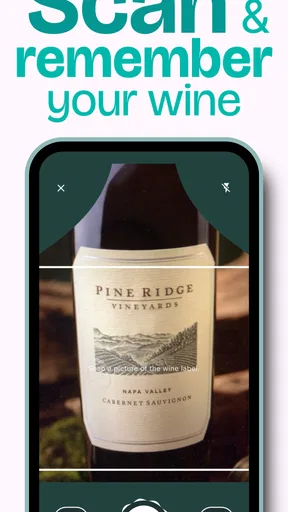
The feature I would build a routine around is scanning a bottle label. Wine names and details are easy to forget, especially when a bottle is recommended in a shop or poured at dinner without much explanation. A scan gives you a way to identify the bottle and begin keeping track of it, rather than relying on a quick photo or a vague memory of the label.
That simple change matters most when you are choosing between unfamiliar bottles. I would use the scan as a prompt for a closer look, not as an automatic verdict on whether a wine is “good.” A wine description can help orient you, but your own preferences, the occasion, and the price you are willing to pay still matter. Treating the result as useful context rather than a substitute for taste keeps the app in its proper role.
Wine Scanner AI: Remember Wine is a free Food & Drink app from Kappital, with optional in-app purchases priced from $4.99 to $39.99 per item. It has a 4.6 average from around 80 ratings and over 10,000 installs. The app is rated for Everyone, and its current version is 20.6.0. Those details make it approachable to try, though the optional purchases are worth keeping in mind if you prefer apps with no paid extras.
First Impressions
Upon downloading Wine Scanner AI: Remember Wine, I was immediately struck by its sleek and user-friendly interface. The app is visually appealing, with a rich color palette that feels both luxurious and inviting. It’s as if the app is saying, "Welcome to the world of wine, my friend!"
Setting up the app was a breeze. After a quick sign-up, I was ready to start exploring. The onboarding process was smooth, guiding me through the main features without overwhelming me with too much information right off the bat. I appreciated this, as it allowed me to get a feel for the app at my own pace.
Features You'll Love
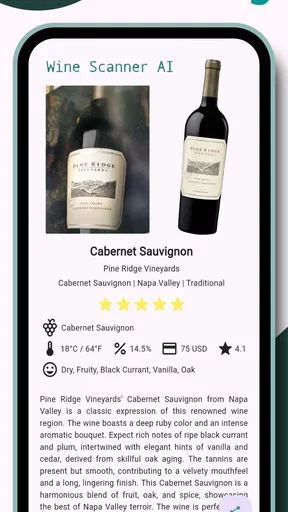
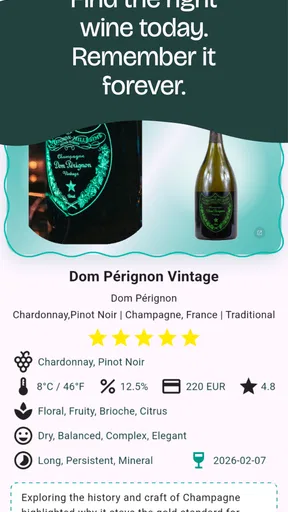
The real magic of the app lies in its powerful AI-driven wine scanner. Simply take a picture of a wine label, and the app provides detailed information about the wine, including its origin, flavor profile, and reviews from other users. This feature is incredibly handy when you’re at a wine shop or a restaurant and want to make an informed choice.
Worth Reading Before You Choose

Flipboard Shows What News Apps Must Do Beyond the Feed

Switching to Android Auto Means Rethinking Your Driving Routine

Google Calendar Makes a Crowded Week Easier to Manage

Ludo King Makes the Most of the Minutes Between Plans

Baby Panda World Brings Quick Play to Modern Phones, but Its Game Library Feels Busy

ESPN’s Live Game View Makes Following Close Games Easier
In practice, I’d scan while the bottle is still in front of me, then take a moment to check that the identified wine matches the label I photographed. Labels can be visually busy, and vintages or producer names may be easy to mix up. This small pause is a sensible safeguard before saving a bottle or relying on its details later. If the scan is unclear, typing the wine’s name into a general search or asking the shop staff may be faster than repeatedly trying the same photo.
A useful habit is to scan before you leave the shop or finish a restaurant meal, while you can still remember why the bottle caught your attention. That gives the record a purpose: you can later connect the wine with a meal, a setting, or the people you shared it with. The app’s identification is most valuable when it helps you make a future decision, not merely when it produces information in the moment.
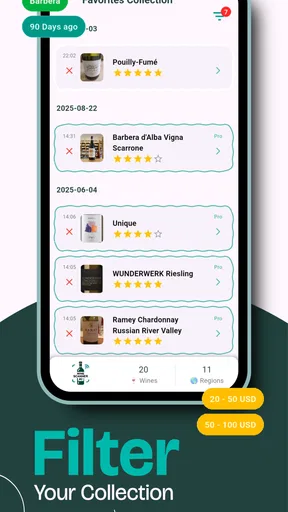
But wait, there's more! The app also offers a wine journal where you can record your tasting notes and rate the wines you try. This feature is perfect for those of us who want to remember which wines to buy again and which to avoid. The journal is easy to use and beautifully designed, making it a joy to document each wine experience.
Make the record useful to your future self
I would keep tasting notes brief and personal rather than trying to sound like a professional critic. A few cues—whether it felt light or rich, what food you had with it, and whether you would choose it again—are easier to write and more useful when you are standing in front of a shelf weeks later. This is especially helpful if several bottles share a region or grape and the label alone does not bring back a clear memory.
Ratings work best as a record of your own reaction, not as a score meant to match other users. If a bottle was enjoyable with a particular meal but not one you would drink on its own, a short note can explain that distinction. This makes your collection more than a list of names and helps prevent a high or low rating from losing its meaning over time.
There is also a practical trade-off: a journal only becomes useful if you keep adding to it. If you rarely write anything down, the scanner may still help with occasional identification, but the memory-keeping side will not have much to draw on. I’d make a small note immediately after tasting, even if it is only a sentence, instead of expecting to reconstruct the experience later.
Community and Recommendations
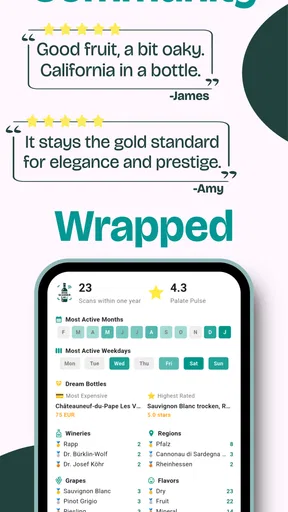
One of the standout features of this app is its vibrant community. You can connect with other wine lovers, share your experiences, and discover new wines through personalized recommendations. The app learns your preferences over time, offering suggestions that are more tailored to your taste. It's like having a personal wine advisor that gets better the more you use it.
The community aspect also means you can read real reviews from other users, which I’ve found incredibly helpful. It's reassuring to see what fellow wine enthusiasts think before making a purchase.
When I compare this approach with the usual alternatives, the difference is mainly the combination of identification and personal memory. A wine retailer’s search can be better when I already know the exact name and want to check availability; a notes app can be quicker for free-form journaling; and asking a knowledgeable server can give context about a restaurant’s current menu. This app is most compelling when I want to turn a label I have in front of me into something I can revisit in my own collection.
I would not treat community opinions as a reliable prediction that I will enjoy a bottle. People have different tastes, and a popular choice can still be wrong for a particular meal or budget. I use reviews as a way to spot perspectives I might have missed, then compare them with what I know about my own preferences. Recommendations become more useful as I record wines consistently, but they should still be suggestions rather than instructions.
Why This App Stands Out
What sets Wine Scanner AI: Remember Wine apart from other wine apps is its combination of AI technology and community interaction. The app doesn’t just tell you about wines; it helps you remember your experiences and enhances your wine journey. The ability to keep track of your wine adventures and connect with others is truly a game-changer.
For a realistic everyday example, imagine browsing a shop after work and seeing a bottle recommended by a friend, but you cannot remember whether you tried it before. Scanning the label gives you a starting point; checking your own journal can help you recall whether you liked it and what you ate with it. If it is new to you, you can save the experience after opening it and make a quick note. That sequence—identify, decide, remember—is more useful than relying on a single score or a photograph with no context.
The app is a better fit for curious drinkers who encounter unfamiliar labels, revisit wines they have enjoyed, or want a lightweight way to organize personal preferences. A beginner can use it to learn the names and details associated with bottles, while a more experienced drinker may value having tasting memories in one place. It is less suitable for someone who wants only a shopping tool, a comprehensive cellar-management system, or detailed expert education; in those cases, a retailer’s catalog, a dedicated inventory tool, or a trusted wine book may better match the task.
One practical question is whether it makes sense to scan every bottle. I would not. Start with wines you would realistically buy again, bottles you found surprising, and labels you expect to forget. Selective use keeps the collection meaningful and avoids turning a pleasant dinner into an administrative chore. You can always add more later if maintaining the record becomes part of your routine.
Another consideration is the purchase model. The app is free to install, but in-app purchases are available, so I would check the current purchase options before paying for anything and decide whether the extra value fits how often I use it. Occasional label lookups may not justify spending; someone who regularly records and revisits wine experiences may find the broader workflow more worthwhile. The app was released on August 5, 2024, and it requires Android 7.0 or later.
Moreover, the app is available for both Android and iOS, making it accessible to a wide range of users. Whether you're a casual wine drinker or a serious collector, this app has something to offer.
Who gets the most from it
I’d recommend giving it a try if you often forget bottle names, enjoy comparing wines you have tried, or want to build a personal record without maintaining a spreadsheet. The main payoff is not a single scan; it is having enough saved experiences to notice what you tend to enjoy and to make more confident choices next time. If you do not drink wine often, or you prefer to choose purely by price and familiar labels, you may get little benefit from keeping a dedicated collection.
For anyone concerned that scanning will settle the question of quality, I would set expectations modestly: identification and descriptions can inform a choice, but they cannot decide what tastes good to you. Likewise, if a label is hard to photograph or the result does not look right, use another source rather than forcing the app to be the final authority. That balanced approach lets the scanner save time without giving it more certainty than a phone-based tool deserves.
Final Thoughts
In conclusion, Wine Scanner AI: Remember Wine is a fantastic tool for anyone who wants to deepen their appreciation of wine. Its intuitive design, coupled with powerful AI features and a supportive community, makes it an essential companion for wine lovers everywhere. So, if you're keen to elevate your wine game, give this app a try. It might just become your new best friend on your wine journey!
Ready to explore the world of wine like never before? Download the app today and start your delicious adventure!
Pros
- Accurate wine identification.
- User-friendly interface.
- Extensive wine database.
- Quick scan feature.
- Offline access available.
Cons
- Limited free features.
- Occasional scan errors.
- Requires stable internet.
- In-app ads can be intrusive.
- Subscription pricing is high.
FAQs for Wine Scanner AI: Remember Wine
What is Wine Scanner AI: Remember Wine, and how does it work?
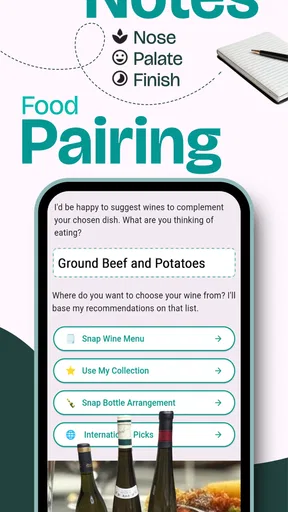
Wine Scanner AI: Remember Wine is a mobile app designed to enhance your wine experience. It utilizes artificial intelligence to recognize and provide detailed information about wines by scanning labels. Simply point your phone's camera at the wine label, and the app will deliver tasting notes, reviews, and food pairing suggestions.
Is Wine Scanner AI compatible with both Android and iOS devices?
Yes, Wine Scanner AI is available for download on both Android and iOS platforms. You can easily find it on the Google Play Store for Android devices and the Apple App Store for iOS devices, ensuring compatibility with a wide range of smartphones and tablets.
Does Wine Scanner AI require an internet connection to function?
While some features of Wine Scanner AI may be available offline, an internet connection is generally required for optimal functionality. This includes accessing the extensive wine database for label recognition and retrieving the latest reviews and tasting notes, ensuring you always have up-to-date information.
Are there any subscription fees or in-app purchases in Wine Scanner AI?
Wine Scanner AI offers a free version with basic features, but to unlock advanced functionalities, such as personalized recommendations and premium content, a subscription may be required. In-app purchases are available, allowing users to enhance their experience with additional features and content.
How accurate is the wine recognition feature in Wine Scanner AI?
The wine recognition feature in Wine Scanner AI is powered by advanced AI technology, offering high accuracy in identifying wines. However, the accuracy can vary based on label visibility and lighting conditions. The app is continually updated to improve recognition capabilities and expand its wine database.


